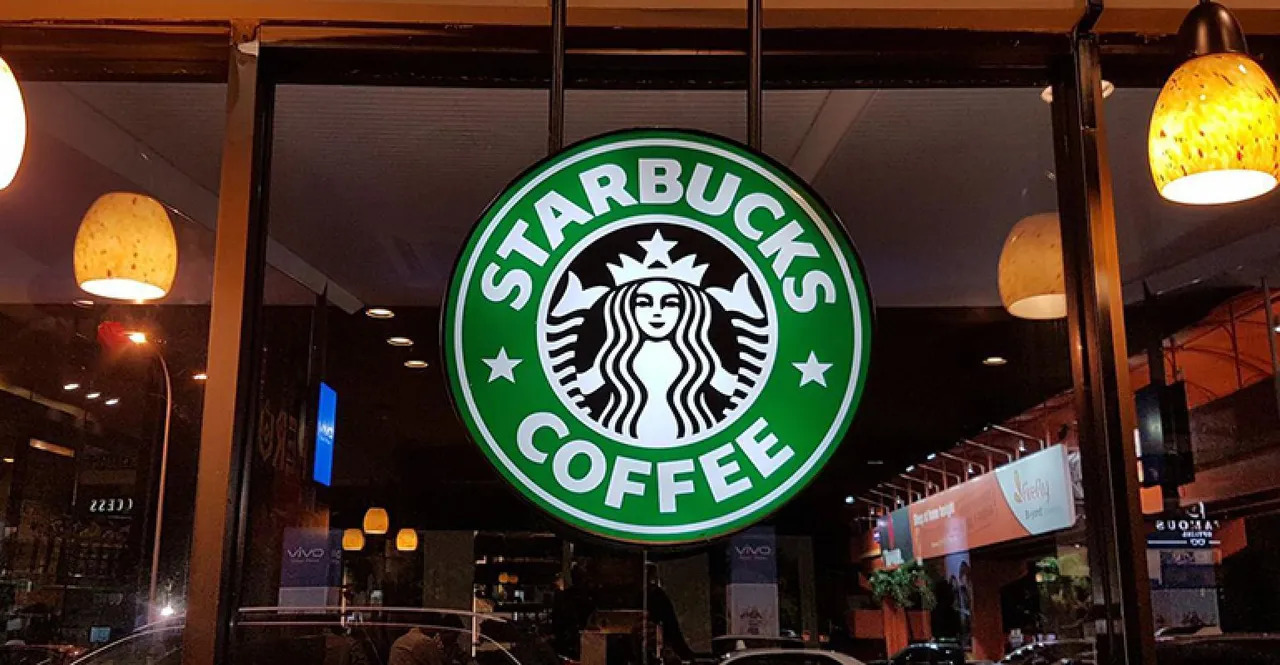
If you’ve ever pitched an idea and been told “no,” you’re in good company. Howard Schultz, the man who turned Starbucks into a household name, was told “no” not once, not twice—but 217 times.
Back in the 1980s, Schultz had a radical vision. He didn’t just want to sell coffee beans—he wanted to bring the Italian café experience to America. A place where people could connect, slow down, and make coffee part of their daily ritual.
Investors didn’t see it.
Some thought the idea was impractical.
Others thought coffee was too simple to build an empire on.
And one after another, 217 rejections piled up.
Most founders would have stopped. Schultz didn’t.
On his 243rd pitch, someone finally said yes. That yes launched Starbucks from a single coffee shop in Seattle to more than 30,000 locations across the globe.
The Founder’s Truth
Schultz’s story is a reminder that rejection doesn’t mean your idea is bad—it often means people don’t understand it yet. The real test of an entrepreneur isn’t avoiding rejection. It’s refusing to let rejection define the outcome.
Three lessons every founder can take from Schultz:
- Rejections are proof you’re swinging big. Small ideas don’t ruffle feathers. Big ones do.
- It’s not about getting every yes—it’s about getting the right yes. You only need one believer to change everything.
- Persistence is the bridge between vision and validation. If Schultz stopped at #217, the world would have never known Starbucks.
How Founders Can Shorten the Gap
Here’s the twist: Schultz’s path took 243 pitches, but today founders don’t have to go it alone. With My Idea Desk, you can validate your idea, strengthen your pitch, and approach each conversation with more confidence from the start
That’s where My Idea Desk changes the game for today’s founders. Instead of wandering through hundreds of “no’s” hoping to stumble on a “yes,” founders can use My Idea Desk to:
- Validate their idea early with AI-driven analysis.
- Spot weaknesses before investors do.
- Sharpen the pitch so every conversation moves closer to belief, not rejection.
Schultz had to endure 217 “no’s” to find his path. You don’t.
With the right tools, you can turn rejection into refinement—and refinement into results—long before you hit number 243.
Big lesson: Rejection is never the end of the story. For founders, it’s the proof that the story is just getting started.